Reading
| Image | Title | Author |
|---|---|---|
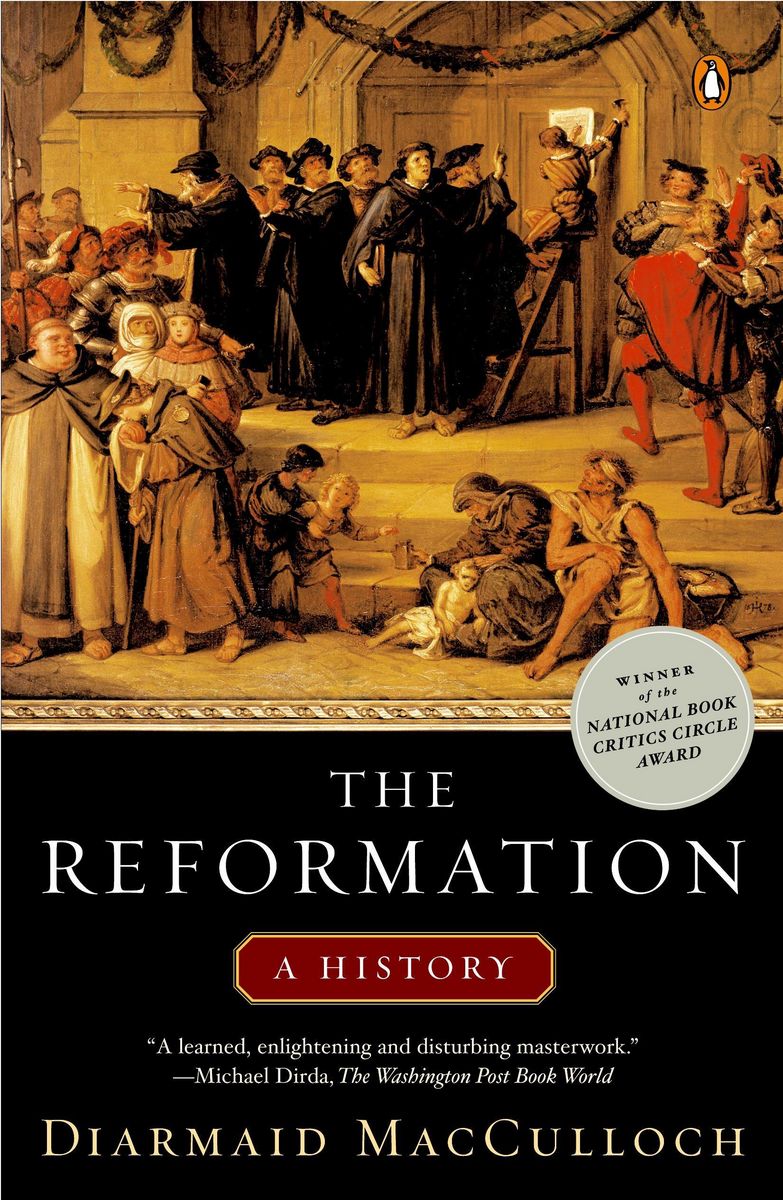 | The Reformation: A History | Diarmaid MacCulloch |
I'm only about 100 pages into this right now. It's quite dense and so I'm reading at a much slower pace than is typical for me. So far, though, I'm enjoying this immensely; Diarmaid MacCulloch has a way of weaving disparate threads of history into readable narratives that I've never quite experienced in any other history book. He is capable of taking an incredibly complicated and wide-ranging topic and making it feel (with some mental exertion on the reader's part) digestible and illuminating.
This isn't always a good thing in history texts! Turning nation- and century-spanning events into parsable narratives has a tendency to impart ideological bias and can (in worst cases) reduce history to a series of moralizing parables. Citizens by Simon Schama is an oft-discussed example of how these broad histories can become ideological battlegrounds. Even so, I've found MacCulloch's history to be an incredibly sensitive and nuanced one. For a topic as easily politicized as the Protestant Reformation, I've found it refreshing to read an author who is unwilling to accept at face value the romanticized views of the Reformation so common in popular history. MacCulloch is capable of portraying reformers and their movements as genuine and sympathetic while, through diligent historical work, showing the functionality with which the Roman Catholic Church actually operated: both institutionally and within the spiritual lives of ordinary people.
| Image | Title | Author |
|---|---|---|
 | Four Fish | Paul Greenberg |
| Image | Title | Author |
|---|---|---|
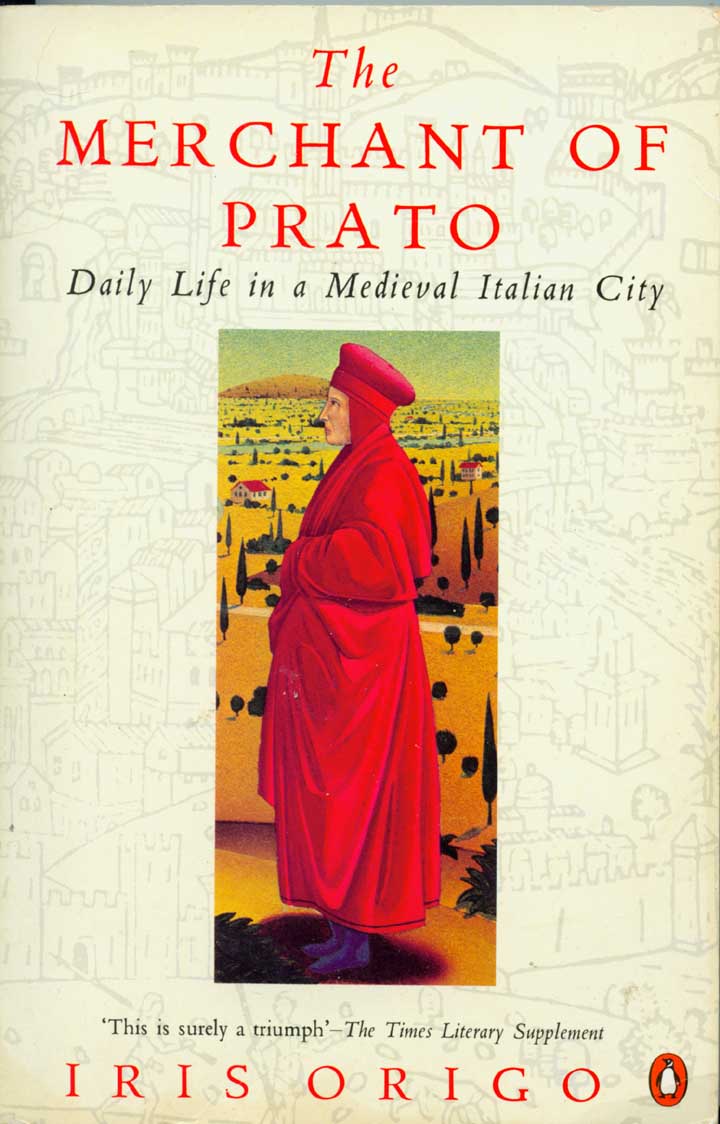 | The Merchant of Prato | Iris Origo |
Hoping to close off my tour of the Reformation with a few books about the emergence of the merchant class and capitalism within medieval/renaissance Europe. I'm particularly interested in the ways these economic developments interplay with religious changes during the Reformation. The Merchant of Prato is a bit of a departure from this theme; its subject, Francesco Datini, died one hundred years before Luther published his Ninety-Five Theses. Still, I'm a sucker for a micro-history and this one is supposed to be quite good! After this, I'll likely move on to Greg Steinmetz's book on Jakob Fugger, a figure more intimately connected to the Reformation.